Key Results
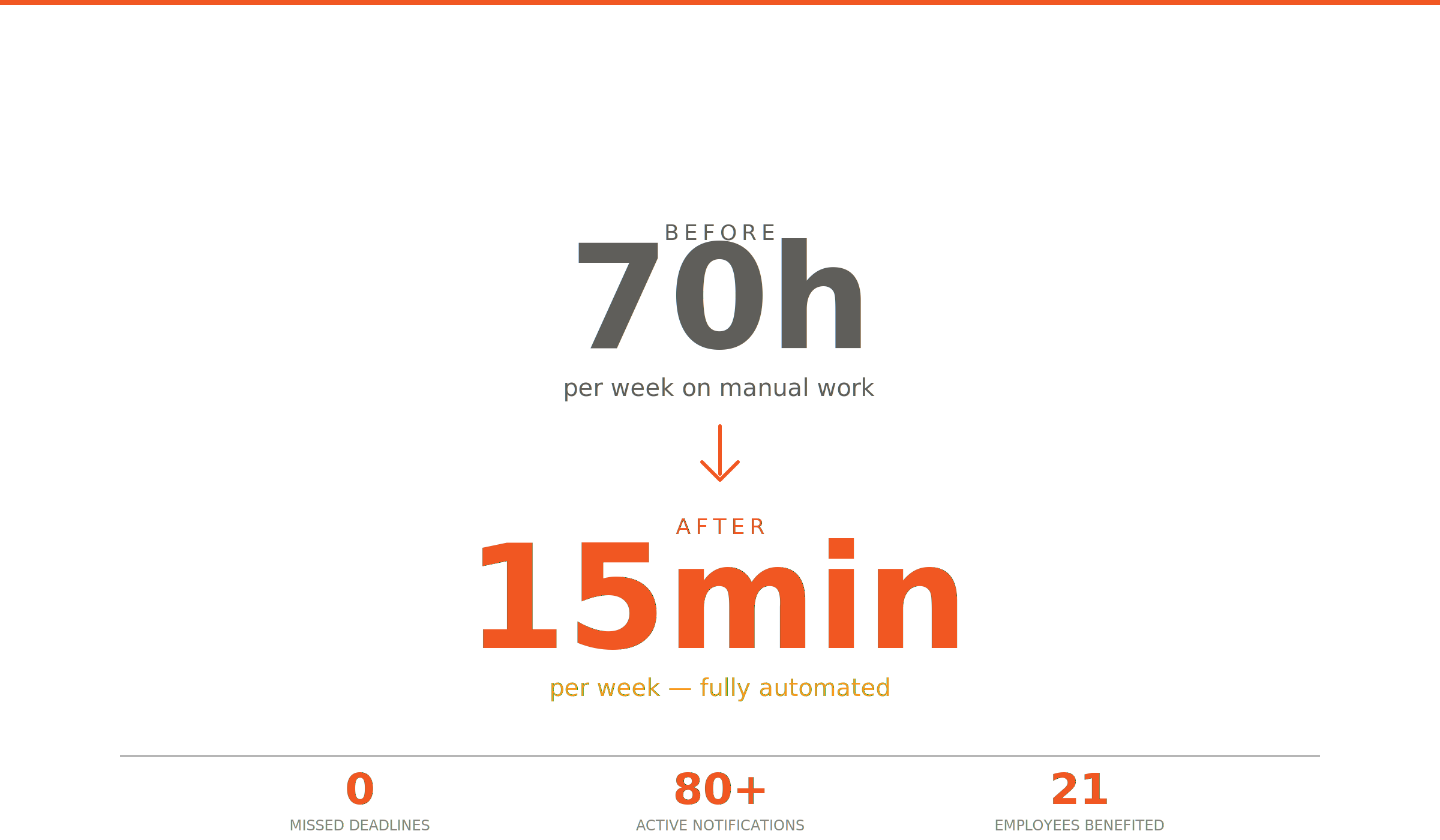
21 employees, 21 paper calendars, 78 hours per week — until the system went live.
Introduction
21 paper calendars. 21 employees opening their own calendar every morning to check what had to be sent. Over 70 hours per week, combined, just to send messages and cross items off. Today it's 15 minutes.
The firm, in São Paulo state, brought in Embed Station to fix it. In 3 months, 21 calendars became one system — with a live dashboard, automatic delivery via WhatsApp and email, and a full audit trail of every notification sent. And what mattered most to the firm: zero missed deadlines since the day the system went live.
"Massive time savings for every employee." — Owner & Founder, accounting firm in São Paulo state, Brazil
The Challenge
Before the system, here's how it went: every employee arrived in the morning and opened their own calendar. Flipped to the day. Looked at what had to be sent — a tax payment slip for one client, a filing deadline for another, a document for a third. Opened WhatsApp. Sent it. Crossed it off the calendar. Repeated.
21 employees, each with their own calendar, each with their own handwriting, each with their own way of marking what was urgent and what could wait. No one saw what anyone else was doing. No one saw what was about to come due across the entire firm.
And when someone forgot — and someone forgot — the client was the one who found out. Usually when the fine arrived.
"I knew there were problems, but the real problem was getting hit with a fine and having to cover the cost ourselves." — Owner & Founder, accounting firm in São Paulo state, Brazil
Before: 70+ hours per week scattered across 21 paper calendars. Risk of tax fines every time a deadline slipped.
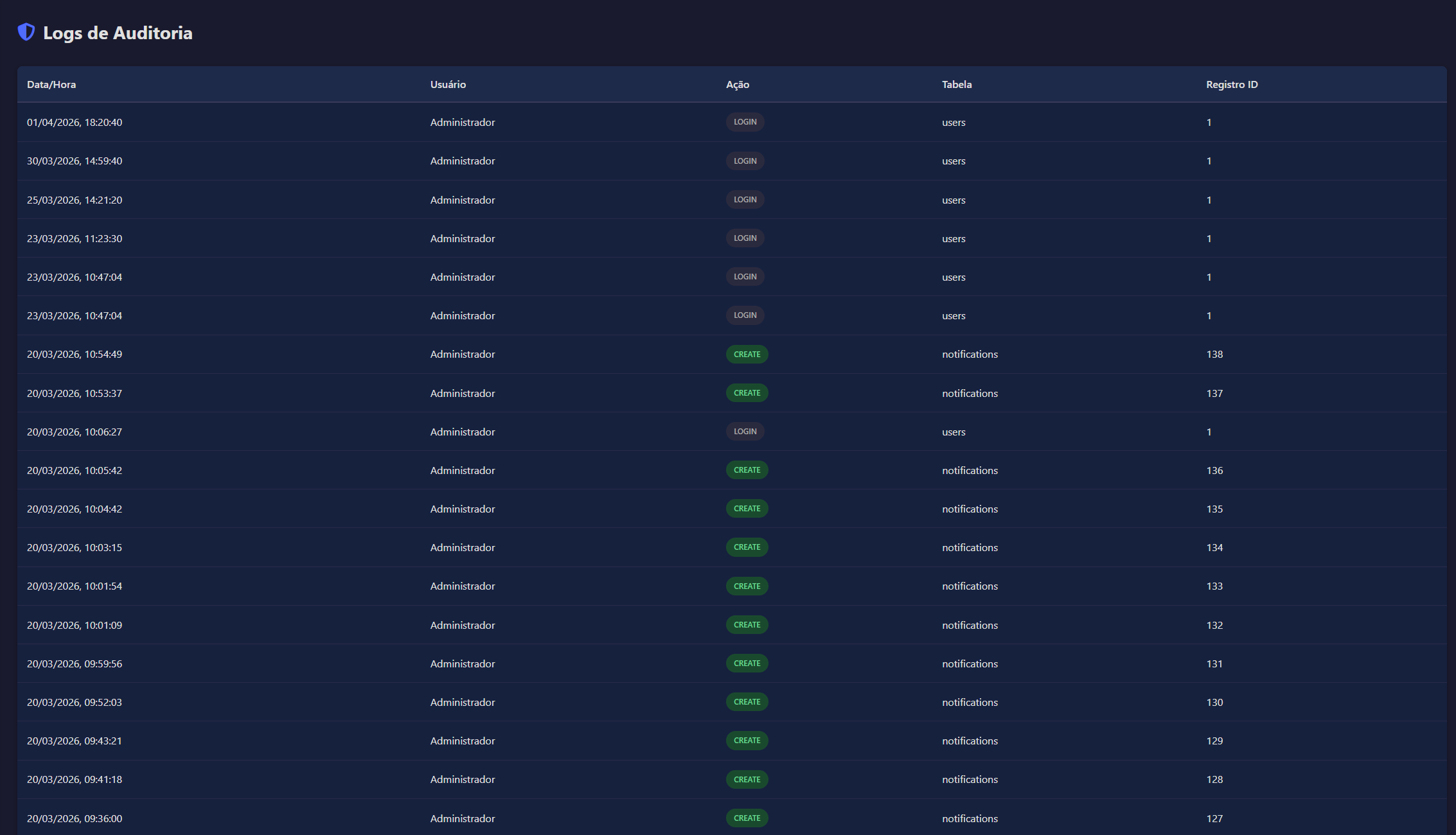
After: 15 minutes per week of dashboard review. Every notification logged with date, time, and channel — legal proof that the client was informed.
Our Approach
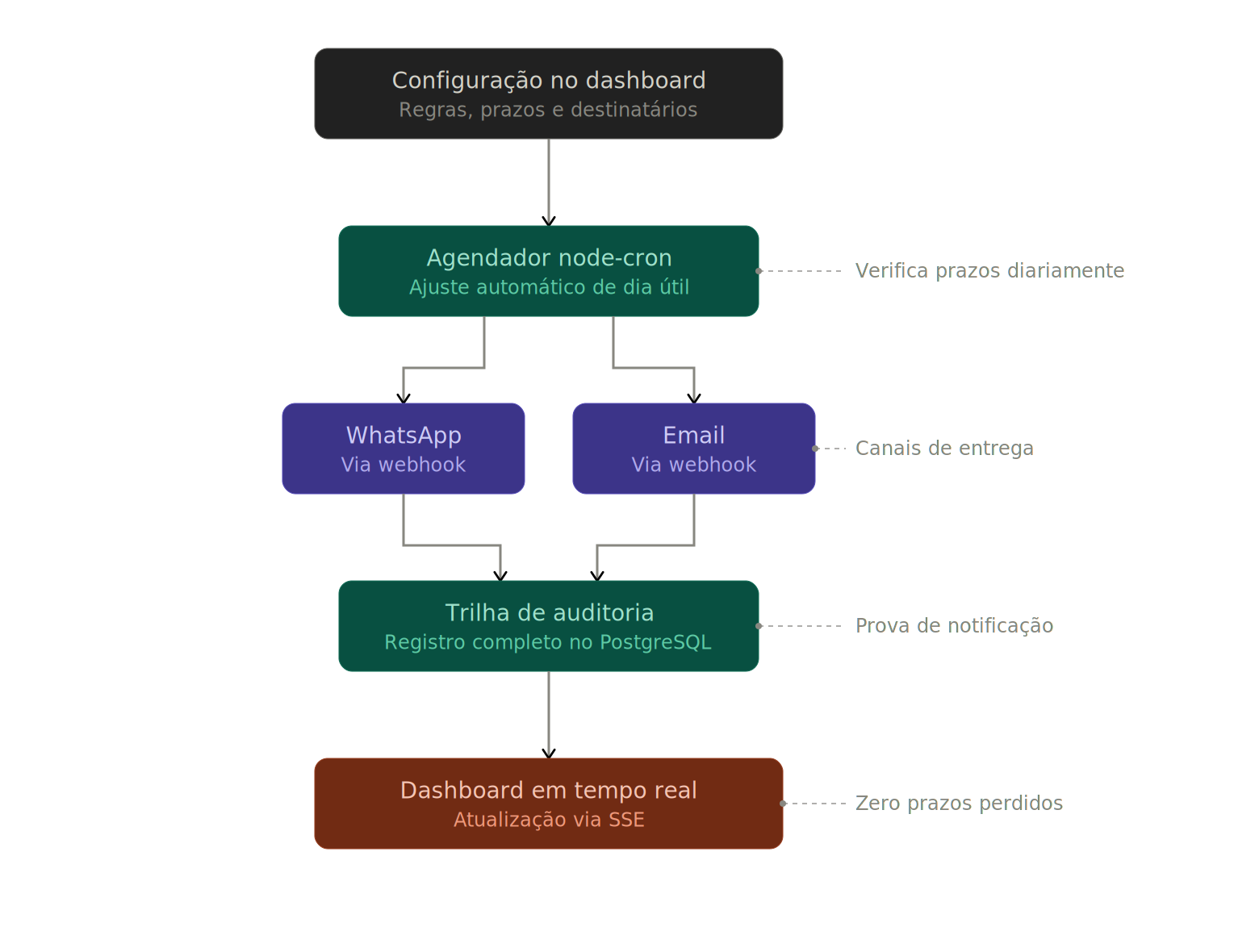
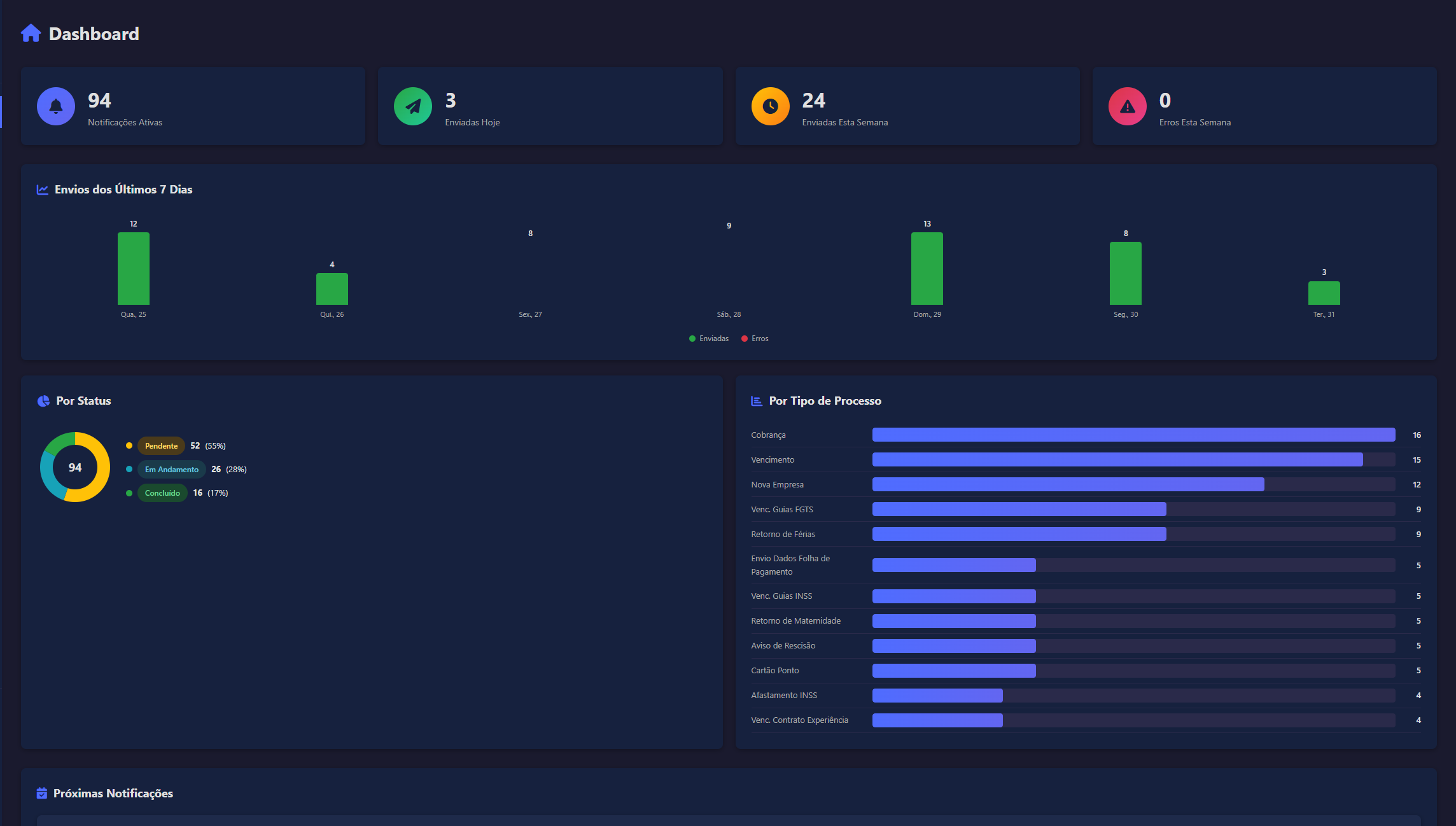
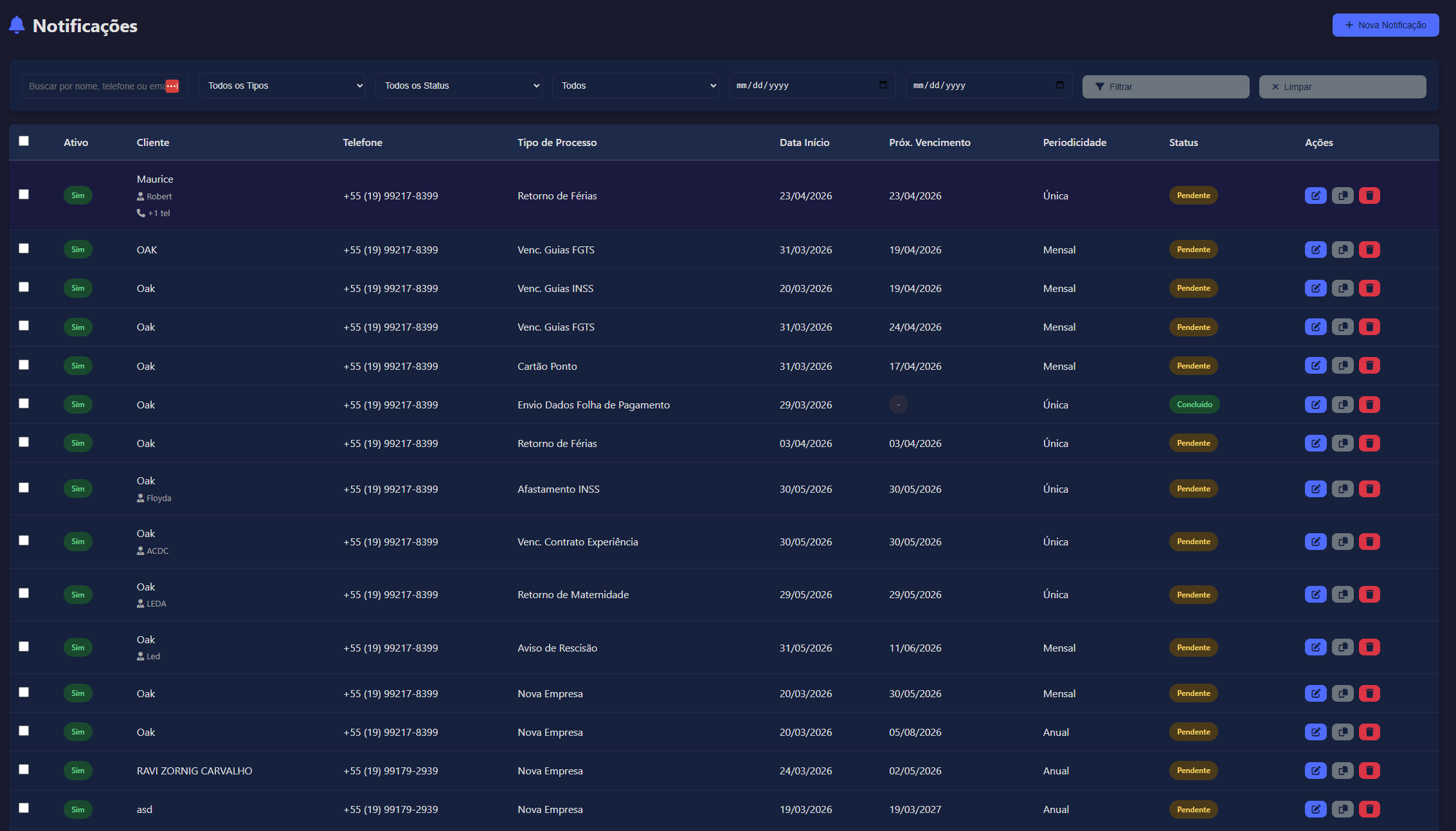
The system isn't a shared spreadsheet — it's a custom platform built around the firm's actual workflow. When a client is registered, all of their obligations enter the system's calendar with deadline, recurrence, and channel (WhatsApp, email, or both). Every day the system decides what to send, sends it, and logs it. The team sees on the dashboard what was sent today, what's pending, and what's due tomorrow.
Behind the scenes, Embed Station combined an automated scheduler that respects business days and holidays, a live dashboard, and WhatsApp + email integrations via webhooks. Every send generates a log with date, time, content, and channel — that's the part that holds up as proof of notification.
Tech Stack
You don't need to understand the stack — Embed Station handles that. For transparency, here's what runs underneath:
Map what every employee was doing
interviews with the team to understand which notifications each client received, on which channel, at what cadence.
Build the system from scratch
custom platform, lightweight, with scheduler, live dashboard, and audit trail.
Migrate without stopping the firm
parallel rollout. Paper calendars stayed in the first weeks as backup, until the team trusted the system.
The Solution
Before, the team opened 21 calendars and sent 70 hours per week of messages by hand. Now the system handles delivery, cadence, and proof — and the team takes care of clients.
Sends via WhatsApp and email automatically
client registered, obligations registered, system fires on the right day on the right channel. No one has to remember.
Shows live what's pending
dashboard with everything sent today, what's overdue, and what's due tomorrow. Whoever needs to look, looks — no more guessing about who did what.
Keeps proof of every notification
log with date, time, content, and channel of every send. If a client ever says "I didn't get it," the firm has the record to show.
Who This Works For
This model fits you if:
- Your firm (CPA practice, law firm, tax advisory, or similar professional services) notifies clients of deadlines manually — by WhatsApp, email, or phone.
- Your team uses paper calendars, individual spreadsheets, or a system everyone fills in their own way.
- A missed deadline costs you real money — fines, rework, angry clients, or all of the above.
If that sounds like your firm, this path is your starting point.
Results and Impact
78 hours returned to the team every week — time now going to client service, process review, and the work that pays the bills. The risk of fines from missed deadlines went to zero. And when a client questions whether they were notified, the firm opens the log and shows the exact time the message was delivered. The same pattern of centralizing scattered processes also shows up in our onboarding automation case.
"We're satisfied and now focused on automating the rest of our processes — if the impact is half of what it was with notifications, it'll already be worth it." — Owner & Founder, accounting firm in São Paulo state, Brazil
Hours per week on notifications (team)
Conclusion
In 3 months, 21 paper calendars became one system. 78 hours per week returned to the team. And since launch, no client deadline has been missed.
But here's what's worth taking with you: while every person at your firm controls their own deadlines on their own calendar — paper, individual spreadsheet, or even a system everyone fills in their own way — each one of those calendars is a single point of failure. And no one sees the whole. When someone forgets (and someone forgets), the client is the one who finds out. Usually when the fine arrives.
Direct question: how many deadlines did your firm miss in the last 12 months? How much did each one cost? If you can't answer that right now, it's because no one is measuring. And what isn't being measured is happening. In an accounting firm, every missed deadline is a fine that usually lands in the firm's lap — directly or through an angry client. What happened in this case 21 times a week probably happens at your firm too. You just don't have the log to prove it.
Next Steps for the Firm
- Expand automation to ancillary tax filings and declarations.
- Map the second process candidate for automation at the firm.
Next Steps for You
30 minutes to map it. A few weeks to have it running. Fines avoided from the day it goes live.
Who at your firm knows, without opening a notebook, every client deadline that's due by Friday?
If the answer was "it depends," this case study is about you.
A free 30-minute audit. We map where the blind spots are in your operation. You walk away with (1) a map of who handles which deadlines at your firm, (2) an estimate of weekly hours recoverable if control becomes centralized, and (3) a list of the most likely regulatory risks in your current setup.
If we don't find at least 10 hours a week of manual work to take off your team's plate — or at least one process putting your firm at real risk of fines — we can stop right there.
This isn't a pitch — it's a diagnostic. You keep the map either way. And we work with what you already have — no rebuilding from scratch, no swapping your current tools.
📩 contact@embedstation.com 🌐 embedstation.com